
Why Volkswagen Owners Will Love VW Car-Net in Winter
Why Volkswagen Owners Will Love VW Car-Net in Winter For Canadian drivers, winter isn’t just a season, it's a test. From sub-zero mornings to...
Read more

Volkswagen des Sources
2311 Place Transcanadienne, Dorval, QC, H9P 2X7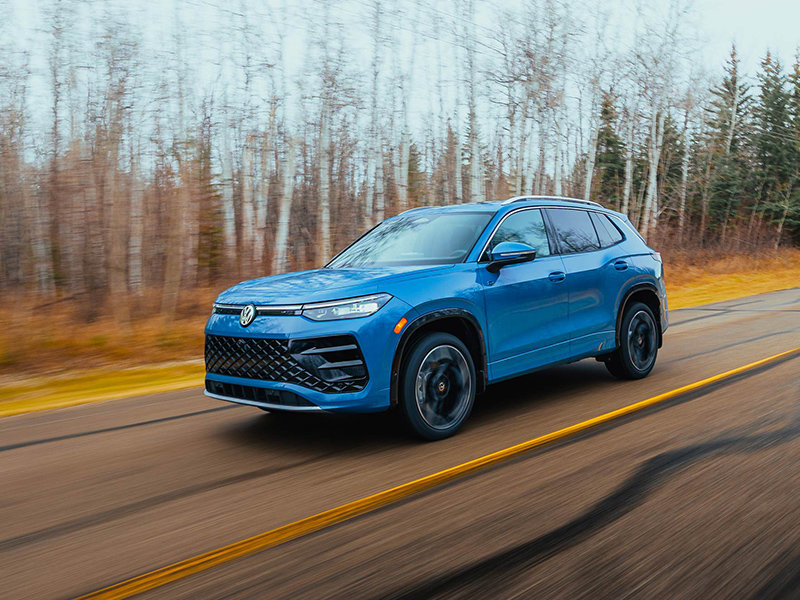
Walk into any Volkswagen showroom in 2026 and you’ll likely find yourself weighing two names that have become staples in the compact SUV segment: Taos and Tiguan. These two vehicles, despite wearing the same badge, are fundamentally distinct in what they deliver. One prioritizes nimbleness, fuel economy, and daily versatility. The other leans into refinement, strength, and comfort over long hauls.
This article isn’t about pitting them against each other in a spec war. Instead, it’s about understanding how each SUV fits different lifestyles and driving habits. If you’re trying to decide which Volkswagen SUV is your perfect match, read on.
The Personalities Beneath the Sheet Metal
The Taos is Volkswagen’s agile, city-savvy companion. It’s small enough to slip into tight parking spots, light on its feet in traffic, and still manages to surprise with just how much gear it can swallow. It speaks to younger professionals, couples, and small families who want European refinement in a more accessible format.
The Tiguan, meanwhile, has grown into a more substantial machine. It offers a quieter ride, a stronger engine, and more room to stretch out. It’s tailored to drivers who spend a lot of time on the highway, frequently carry passengers, or simply prefer a more mature feel behind the wheel. Its premium edge is subtle but ever-present.
Powertrain Choices: Similar Layouts, Different Execution
Volkswagen keeps things simple: both SUVs come standard with turbocharged four-cylinder engines, but what they offer in terms of performance tells two different stories.
In the Taos, a 1.5-litre turbocharged inline-4 engine puts out 174 horsepower and 184 lb-ft of torque. The torque curve comes in early, making acceleration brisk without needing to wring out the engine. It’s particularly well-matched for urban environments, with quick, responsive handling that encourages confident darting through tight spaces.
The Tiguan, however, steps things up with a 2.0-litre turbo-four, good for 201 horsepower and 221 lb-ft of torque. The difference isn’t massive on paper, but in real-world driving, it matters. That additional torque arrives even earlier in the rev range than in the Taos, giving the Tiguan a deeper reservoir of pulling power whether for overtaking on the highway or powering up steep hills with passengers and cargo onboard.
Both powertrains pair with an eight-speed automatic transmission, and both offer available 4MOTION all-wheel drive. But the experience behind the wheel is markedly different. The Tiguan feels planted, almost serene on long stretches of road. The Taos feels eager, light, and energetic.
Fuel Consumption: Taos Wins the Efficiency Battle
In an era where fuel costs and environmental impact are top-of-mind, efficiency plays a pivotal role. The Taos is the clear winner in this department. Thanks to its smaller displacement and lighter curb weight, its real-world economy is excellent.
You’ll see figures ranging from just 6.4 L/100 km on the highway to a maximum of 9.4 L/100 km in city conditions depending on configuration. That’s competitive with much smaller crossovers. The Tiguan, for its part, lands at around 10.5 L/100 km in the city and 7.8 L/100 km on the highway, which is respectable for a vehicle of its size and performance, but it won’t match the Taos in long-term fuel savings.
For commuters, this difference adds up not just in dollars at the pump, but in fewer stops, longer range, and less overall consumption.
Rear Seat and Passenger Comfort: Stretching Out or Keeping it Cozy?
Step into the back seat of both vehicles and the contrast becomes immediately clear. The Tiguan offers one of the most spacious rear seating areas in the compact segment. Its rear legroom surpasses the Taos by nearly 60 millimetres, a difference that becomes especially noticeable on longer drives or with taller passengers.
The Taos, while more compact, still delivers surprising headroom and shoulder width, but it’s optimized more for two adults or children in the rear. It’s a practical space, but not a generous one.
In terms of layout, materials, and seat comfort, both models share Volkswagen’s minimalist but upscale interior aesthetic. Expect supportive seats, clean horizontal lines across the dash, and a crisp infotainment interface. The Tiguan does offer a few more high-end touches on its upper trims, like ambient lighting, upgraded materials, and an available panoramic roof.
Cargo Capabilities: Not What You’d Expect
Cargo space often correlates directly with a vehicle’s physical footprint, but the Taos flips expectations. Thanks to smart packaging, it actually offers more cargo capacity than the Tiguan when the rear seats are folded flat. You’ll get up to 1,866 litres in the Taos, compared to 1,668 litres in the Tiguan.
With the second row in place, the Tiguan claws back the lead, offering 750 litres, slightly more than the Taos’ maximum of 790 litres depending on trim. Loading height, seat-folding mechanisms, and access through the tailgate are thoughtfully designed in both models, but if you frequently carry oversized items, the Taos’ flexibility is worth noting.
Driving Experience: Urban Precision vs. Highway Confidence
Driving the Taos feels like piloting a refined hatchback with a higher seating position. It’s nimble, easy to guide through tight corners, and light on its feet. The suspension soaks up city imperfections nicely without feeling soft. Steering is light but predictable, making it a great vehicle for navigating urban landscapes.
The Tiguan takes a more substantial approach. It’s quieter at speed, less affected by crosswinds, and delivers a ride that’s more isolated from the road especially on longer trips. Steering is weightier, offering more confidence at higher speeds. There’s more sound insulation, too, so conversations stay clear even at 100 km/h.
If you split your time between downtown traffic and open highways, both vehicles will do the job, but each has its strengths. The Taos thrives in stop-and-go. The Tiguan shines when the road opens up.
Technology and Safety: A Shared Platform with Different Elevations
Volkswagen equips both vehicles with a comprehensive suite of tech features, including:
What differentiates the two is how far you can push the luxury and tech envelope. The Tiguan offers larger display options, an available power tailgate, ventilated front seats, and higher-grade sound systems on its upper trims. The Taos keeps things simpler, but still delivers an excellent interface and standard safety equipment across the board.
Pricing and Ownership Considerations
Affordability is where Taos builds its biggest case. It comes in with a lower starting MSRP and keeps costs down throughout its trim walk. Expect to pay anywhere from $3,000 to $5,000 less for a comparably equipped Taos versus a Tiguan. That difference can either be pocketed or reinvested into features.
However, the Tiguan’s higher resale value, longer-distance comfort, and family-ready proportions may more than justify its price premium for the right buyer.
Verdict: Two Distinct SUVs for Two Distinct Drivers
The 2026 Volkswagen Taos is an ideal solution for the practical, city-based buyer who values fuel efficiency, cargo flexibility, and an approachable price. It’s agile, efficient, and refreshingly straightforward.
The 2026 Volkswagen Tiguan, on the other hand, delivers a stronger engine, a more settled highway ride, and greater rear passenger comfort. It’s a crossover that leans slightly toward the premium end of compact SUVs, without the sticker shock.
In the end, the right choice depends less on specs and more on lifestyle. Ask yourself: How do you drive? Who do you carry? And what do you value most behind the wheel?
The answer will lead you directly to either the bold, efficient Taos or the confident, composed Tiguan.
Why Volkswagen Owners Will Love VW Car-Net in Winter
Why Volkswagen Owners Will Love VW Car-Net in Winter For Canadian drivers, winter isn’t just a season, it's a test. From sub-zero mornings to...
Read more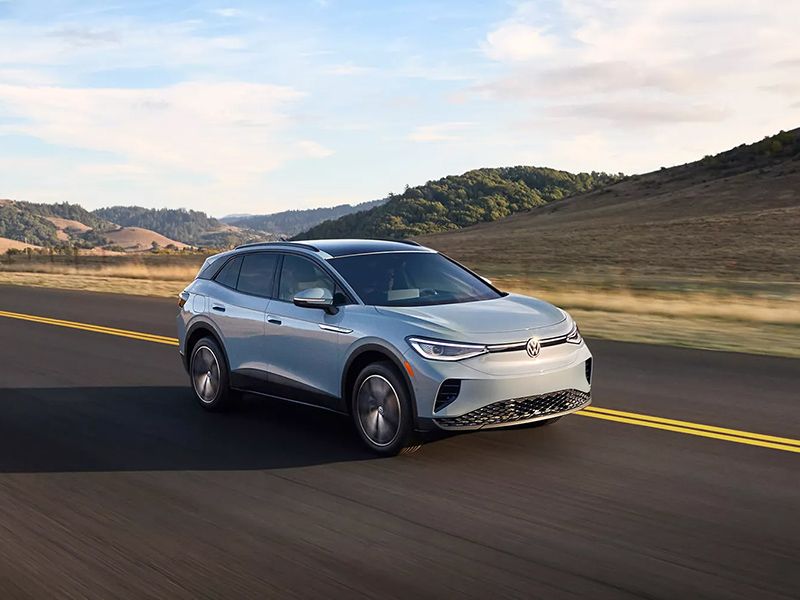
Everything You Want to Know About the 2026 Volkswagen ID.4
The 2026 Volkswagen ID.4 continues to redefine what it means to drive electric bringing together everyday practicality, long-range capability, and...
Read more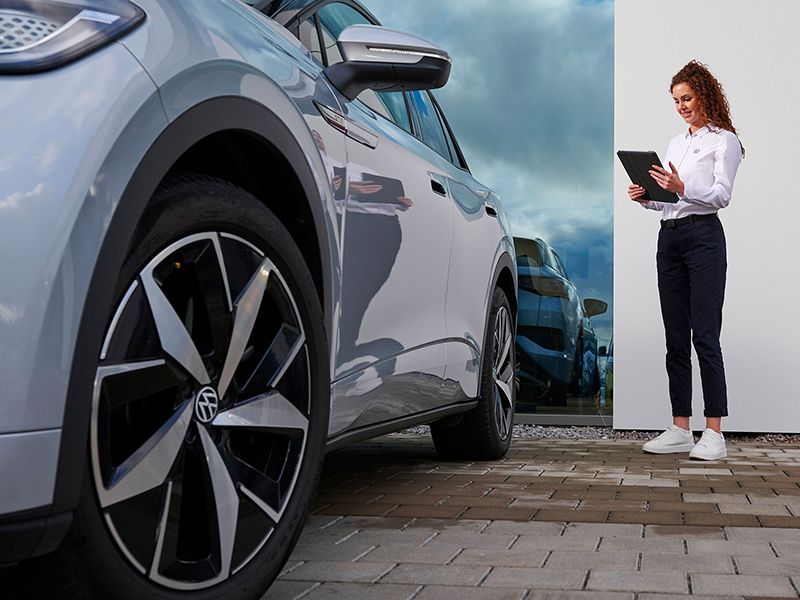
Volkswagen 4MOTION AWD Explained: How It Works, Why It Matters, and Who It’s For
All-wheel drive is no longer a specialty feature reserved for off-road vehicles or extreme conditions. Today, it plays a central role in how modern...
Read morePowered and developed by
